A Maker’s Guide to the Magic Comic Typeface
Late yesterday evening, I was sitting at my design table, a blank candle label staring back from my screen. I’d already picked the perfect clean, minimalist sans-serif for the ingredients list, but the name, the soul of the product, felt flat. It needed a touch of elegance, something with a bit of personality. That’s when I opened my font folder and found Magic Comic again. I typed out “Cedar & Clove,” and suddenly, the label wasn’t just a label anymore. It became a promise.
The Beautiful Character of Magic Comic
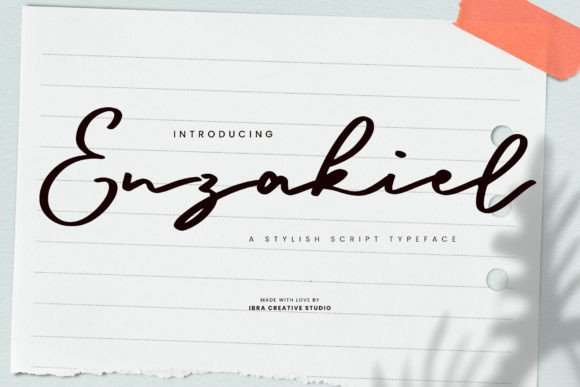
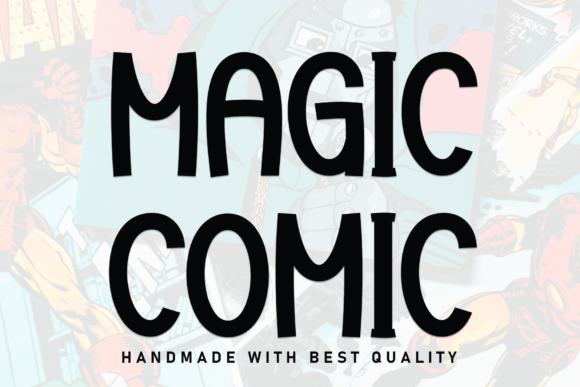
Magic Comic is a script font that lives in that wonderful space between classic elegance and playful charm. It has a timeless style; it’s not overly formal or stiff, nor is it whimsical and cartoonish. It carries an elegant touch, with smooth, flowing letters that feel distinctly hand-drawn, like a neat and beautiful script written with a deliberate, confident pen. For makers and sellers, this visual personality translates into a mood of warmth, care, and quality. When you use Magic Comic, you’re not just adding text; you’re adding a layer of creative appeal that speaks directly to the handmade nature of your work.
Where Your Projects Meet This Font
The real magic happens when this typeface leaves your screen and lands on your actual products. It has a natural affinity for the tangible items that fill our shops and homes.
For Labels, Tags, and Packaging
Think of your product’s main identifier. Magic Comic is ideal for the featured text on candle labels, jar stickers, soap packaging, and boutique hang tags. Its distinct style elevates the perceived quality, turning a simple essential oil blend into “Lavender Meadow” or a batch of cookies into “Grandma’s Shortbread.” It creates immediate customer recognition and an emotional connection right on the shelf.
For Cards, Invitations, and Stationery
For greeting cards, wedding invitations, and place cards, Magic Comic brings a soft, personal elegance. It’s perfect for the main names, the “Mr. & Mrs.” headline, or the “Thank You” on a card. I often pair it with a simple, crisp serif font for the body details—the date, time, and address—to ensure readability while letting the script shine as the decorative heart of the design.
For Digital and Physical Art
Printable wall art, planner page titles, and digital download templates gain a handcrafted feel with Magic Comic. It’s wonderful for motivational quotes, seasonal banner text on a Halloween art print, or the month headers in a digital planner. For physical merchandise like mugs, tote bags, and signs, its robust letterforms translate beautifully, whether you’re using a cutting machine for vinyl or sending a design to a print-on-demand service.
Practical Design Advice for Crafters
As a font for display use, Magic Comic is best suited for short phrases, names, titles, and decorative wording. It excels as the focal point. Using it for longer body text on a product card might challenge readability, especially at smaller sizes. Here are some hands-on tips from my own workbench:
- Readability on Small Items: When using it for small stickers or detailed product labels, test your print or cut at the actual size. Ensure the elegant loops and connections are clear and not too fine for your material.
- Font Pairing for Balance: My go-to combination is Magic Comic for the headline paired with a clean, neutral sans-serif font for all supporting text. This creates a beautiful hierarchy—the script adds the charm, the sans-serif provides the clarity.
- Mockup and Preview Testing: Always preview your design in a realistic mockup. Seeing “Summer Lemonade” in Magic Comic on a mockup jar label versus just on a white canvas shows you how it truly interacts with your product’s colors and textures.
Ensuring a Smooth Creative Process
Before you commit a font to a commercial product, a few technical checks are essential. These steps ensure your final output is as beautiful as your initial idea.
- Check the Included Features: Open the font file in your design software. Look for alternates, ligatures, or swashes that might give you more stylistic options for a unique logo or special word.
- Confirm File Formats: Ensure you have the file formats you need. For cutting machines like Cricut or Silhouette, you’ll typically need a standard OTF or TTF file to install on your system.
- Verify Licensing: This is crucial. Always review the font’s license to confirm it covers commercial use for selling physical products, templates, printables, and merchandise. A true commercial font license gives you peace of mind.
- Test Multilingual Support: If your products or shop materials might use words or names in other languages, test a few key characters to ensure they render correctly and maintain the font’s beautiful style.
From Seasonal Tags to Brand Identity
Finally, remember that a font like Magic Comic can become part of your shop’s voice. I use it consistently for my seasonal product lines—the main text on holiday gift tags, the header on a Valentine’s Day card collection. This consistency builds a subtle brand identity. Customers start to associate that neat, beautiful script with the care put into your work. It moves from being just a design asset to a part of your story.
Seeing Magic Comic come to life on a freshly printed set of wedding invitations, or on a heat-pressed tote bag, is the real reward. It transforms your digital design into a physical object with character. It adds that elegant touch that makes your favorite projects feel complete, and helps your creations speak their name with a timeless and incredibly distinct style.