Bonely: A Retro Script Font for Modern Digital Branding
I was working on a homepage for a new sustainable ceramics brand, and their brief was clear: elegant, organic, but with a touch of vintage personality. The default clean sans-serif I had chosen felt a bit sterile, and I needed something for their hero headline that would speak to craftsmanship without looking antiquated. That's when I imported Bonely into my layout. Instantly, it transformed a simple statement like "Handmade & Heartfelt" into a piece of visual poetry. The retro charm of this script font felt not old, but enduring, adding a layer of emotional connection right at the top of the page.
The Distinctive Character of Bonely in Web Layouts
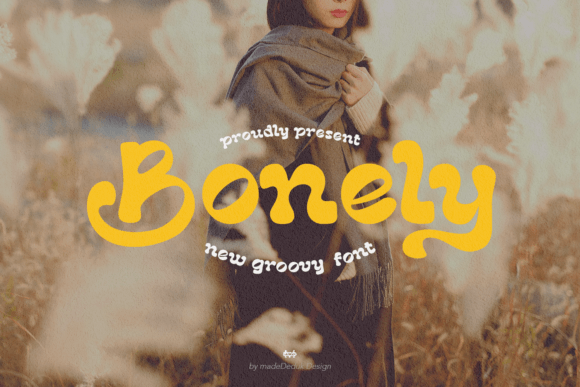
Bonely is a beautiful script font with a distinctly retro character. Its flowing letterforms evoke a sense of classic editorial design and timeless elegance, but its execution is crisp and consistent, making it wonderfully reliable for digital use. The personality is soft and sophisticated, not overly whimsical or casual. This makes it a fantastic choice for brands that want to convey authenticity, artistry, or a curated aesthetic online. The mood it sets is one of thoughtful creativity—perfect for portfolios, boutique online stores, coaching websites, and lifestyle brands.
What truly elevates Bonely for digital design are its many alternates and ligatures. While testing it in a headline for a product landing page, I could swap out standard letters for more decorative variants, creating unique word shapes. This allowed me to craft headlines that felt bespoke and designed, not merely typed. For instance, the word "Collection" could be styled with specific alternates to give it a balanced, almost logo-like quality right within the body text of a hero section. This flexibility is a significant asset for creating memorable, branded moments on a website without needing to create a separate logo graphic for every campaign.
Practical Application: Where Bonely Shines on the Web
In my testing across various responsive layouts, Bonely proved its value primarily as a display font. It excels in areas where visual impact and mood-setting are paramount.
- Hero Headers & Landing Page Titles: This is its natural habitat. A short, powerful statement like "Welcome to Your Creative Journey" or "Discover Our Artisan Goods" gains immense emotional weight and visual appeal when set in Bonely. Its retro style feels inviting and trustworthy.
- Section Headings: For websites with a distinct editorial or storytelling flow, such as a blog redesign or a course sales page, using Bonely for key section headings can beautifully break up the page and guide the user's eye with style.
- Call-to-Action Accents: While not suitable for the main button text itself, Bonely can be used sparingly above a button or within a call-to-action section for a short phrase like "Your Dream Starts Here" to add a decorative and persuasive touch.
- Logo Text & Brand Graphics: For small businesses building their digital identity, Bonely offers a ready-made foundation for a logo or a consistent branded graphic used across a website header and social media banners.
- Digital Ad Creatives & Campaign Graphics: Its strong personality makes it ideal for creating standout imagery for promotional landing pages or social media ads, especially for fashion, lifestyle, or creative industries.
Readability Considerations for Digital Design
As with any script font, practical readability is key for user experience. Bonely performs excellently at larger sizes, typically above 36px on desktop, where its details can be appreciated and its flow easily read. On mobile, ensuring these headline sizes scale appropriately is crucial. I found it remains legible on responsive screens when given ample space and a clear contrast with its background.
It is not suitable, however, for functional, dense interface text. Avoid using Bonely for:
- Body copy or long paragraphs of any kind.
- Navigation menu items.
- Form labels, input fields, or any instructional text.
- Small footer text or legal disclaimers.
- Data-heavy dashboard layouts or technical documentation.
The font’s decorative nature means it should be used as a spice, not the main ingredient, in your web typography recipe. For overlays on image banners, ensure high contrast—a light Bonely on a dark, muted image background, or a dark version on a light, non-busy area of a photo works best.
Crafting a Cohesive Digital Identity with Font Pairing
The true power of a display font like Bonely is unlocked by pairing it with a robust, neutral supporting typeface. In my projects, I paired it primarily with clean, geometric sans-serif fonts for body copy and UI elements. This combination creates a clear visual hierarchy: Bonely captures attention and sets the mood, while the sans-serif ensures effortless reading and scanning of the actual content.
For a more editorial or academic digital brand, such as a writer's portfolio or a specialty blog, pairing Bonely with a simple, readable serif font for body text can also work beautifully, enhancing a classic, published feel. The goal is always to let Bonely be the star of the show for key moments, while the paired font does the essential work of clear communication. This balance is fundamental to professional web design and brand consistency.
Technical Checks Before Deployment
Before committing to Bonely for a client's website or your own online store, a few practical checks are essential. First, confirm the commercial font licensing covers web use. Many licenses include webfont usage, allowing you to serve the font via CSS, which is vital for live websites. Next, verify the file formats included. You'll need the standard font files for your design software, but also check if webfont formats (.woff, .woff2) are provided or if you need to generate them.
Explore the multilingual support if your project serves a global audience. While script fonts often have limited language coverage, knowing the character set helps avoid surprises. Finally, test the font weights and styles included. Bonely's single weight, with its alternates, offers great stylistic range, but if your project demands a true bold variant for hierarchy, you'll need to rely on your paired font for that role. Taking these steps ensures that the beautiful retro style of Bonely transitions smoothly from a stunning mockup to a functional, fast-loading, and legally sound part of your digital brand identity.
Integrating Bonely into a web design project is about choosing emotional resonance. It won't be the font that explains your product features, but it will be the font that makes someone feel connected to your brand's story as they scroll. In a digital space often dominated by minimalist sans-serifs, a touch of thoughtful, retro script like Bonely can be the very element that makes a website feel uniquely human and crafted.